Cameroon: Neutral Spot, Accepted Mediator Should Be Options
In Resolving Anglophone Crisis-Chris Fomunyoh January, 2022
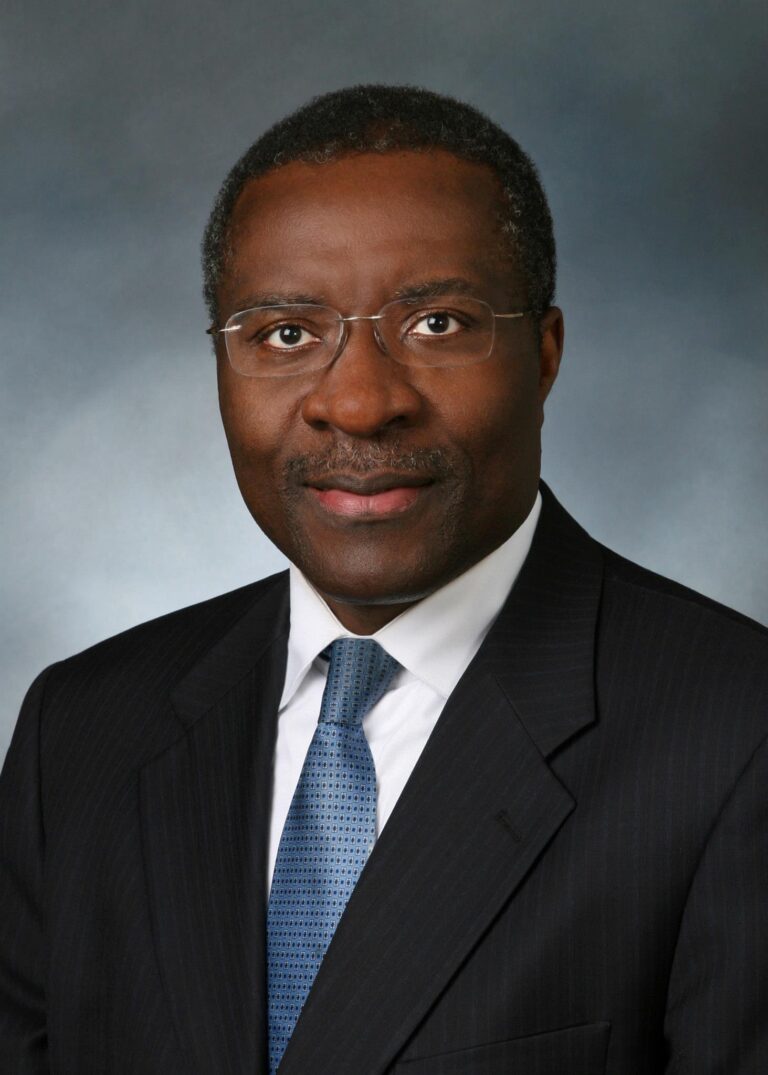
The best way to solve a crisis where people have already taken up arms is
to find a neutral spot; an accepted mediator who can bring all the parties
around the table, says Fomunyoh
Dr Christopher Fomunyoh, Senior Associate and Regional Director of Central and
West Africa at the National Democratic Institute (NDI) based in Washington, USA
has said the ongoing crisis in Cameroon's North West and South West Regions
needs a neutral and acceptable mediator for a meaningful solution to be gotten
for the crisis.
The former adjunct professor of African politics and government at Georgetown
University was speaking on the theme: "Democratization in Africa: the military
challenges of 2021 and prospects for 2022" on the program FACE � WAD over Radio
Bonam.
Dr Fomunyoh on numerous outings has called for the international community to do
more in resolving the ongoing catastrophe in the North West and South West
Regions. And taking a dichotomy of other crises on the continent, Dr Fomunyoh
said they have always been resolved by a third party.
He said: "The best way to solve a crisis where people have already taken up arms
is to find a neutral spot; an accepted mediator who can bring all the parties
around the table. That needs to happen and if it does, we will be able to sort
out the grievances on which ones can be resolved and which cannot and how to
implement them."
Asked on what should be done to keep the country Cameroon united, Dr Christopher
Fomunyoh said at this point the crisis can still be resolved and "it is not
going to take arms; we must accept to sit around the table and sort out the
grievances and our differences."
"... People talk today about Kagame and Rwanda and they forget that Kagame grew
up in a refugee camp because he escaped a massacre in his own country. This
fight is not going to end by force. We have to sit around the table and put into
the minds of people that we can live together again," Dr Fomunyoh added.
"If we don't do that, we may think that we have patched one conflict but we
should be preparing ourselves for the next conflict because people will not
forget what happened to them."
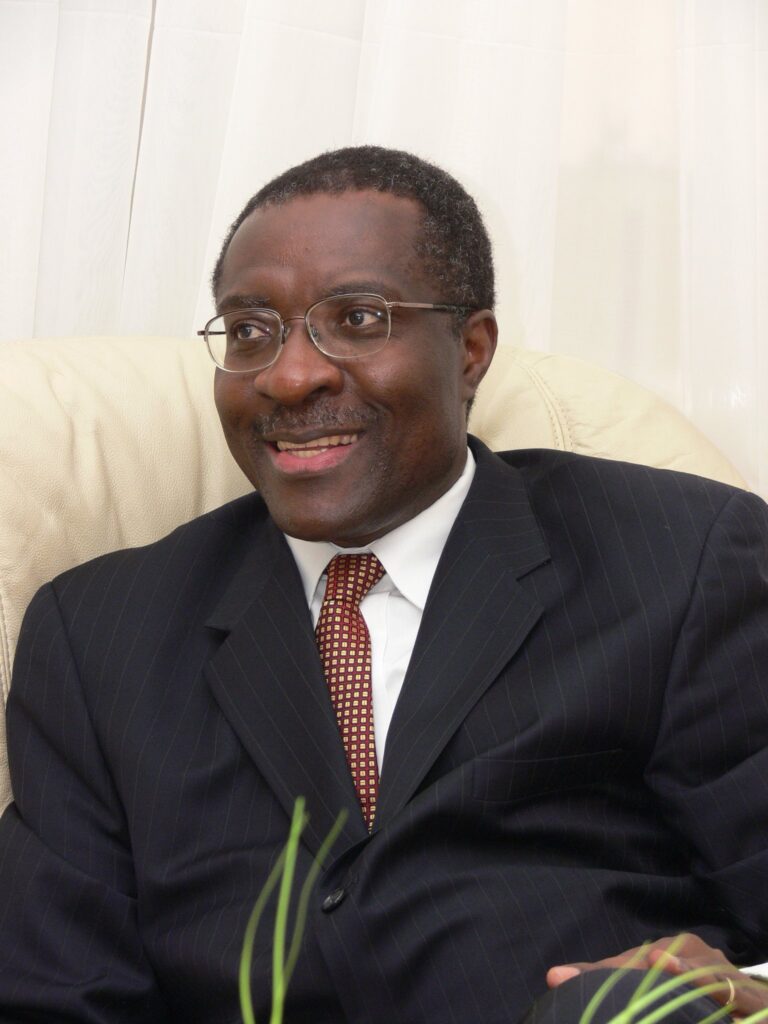
"If it is a credible process, people will buy it and move with it," Dr
Christopher Fomunoh said on the aspect of looking for credible mediators
which both parties will be ok with, says Dr Fomunyoh
The conflict that has been raging for the past five years has seen many
separatist factions sprung up, and some are even fighting amongst themselves
which compounds the problem of if there is a dialogue, who will be the
designated representatives of the groups?
In an amorphous conflict, estimates of exactly how many fighters are involved are
equally slippery. A recent report from the International Crisis Group estimates
that are somewhere between 2,000 and 4,000 fighters attempting to take Ambazonia
from concept to reality. However, separatist leaders themselves claim there are
far more people who have taken up the fight-and an even greater number willing
to do so.
"If it is a credible process, people will buy it and move with it," Dr
Christopher Fomunoh said on the aspect of looking for credible mediators which
both parties will be ok with. "When the Swiss process was announced, everybody
was enthusiastic initially (because everybody felt that it will bring everybody
to the table) but we are now seeing that it has not brought the government of
Cameroon to the table, it has also not brought some of the warring factions."
"So can we unpack that process and see which part of it can be salvaged and which
part needs to be done differently. Whether we can have different propositions
that counter the shortcomings of the Swiss process and we make it Swiss+1 or
Swiss+2 and we bring everybody to the table in an environment where people will
feel secure and let us put all the points on the table..." Dr Christopher
Fomunoh added.
As the fighting intensifies, refugees are being pushed into Nigeria by the tens
of thousands. And violence from the separatists and the army they are fighting
is displacing Anglophone communities-depopulating swathes of the Anglophone
regions and bringing the fight closer to urban areas.
With many displaced people lacking documentation and out of the reach of aid
organizations, the hardships of life in the bush have been unbearable to many.
With official estimates that 530,000 people are currently internally displaced,
the situation shows no signs of dying anytime soon.


 The best way to solve a crisis where people have already taken up arms is
to find a neutral spot; an accepted mediator who can bring all the parties
around the table, says Fomunyoh
The best way to solve a crisis where people have already taken up arms is
to find a neutral spot; an accepted mediator who can bring all the parties
around the table, says Fomunyoh
 "If it is a credible process, people will buy it and move with it," Dr
Christopher Fomunoh said on the aspect of looking for credible mediators
which both parties will be ok with, says Dr Fomunyoh
"If it is a credible process, people will buy it and move with it," Dr
Christopher Fomunoh said on the aspect of looking for credible mediators
which both parties will be ok with, says Dr Fomunyoh