|
"Biya long missed opportunity to resolve Cameroon's multiple
crises"- Dr. Christopher Fomunyoh
August 26, 2021
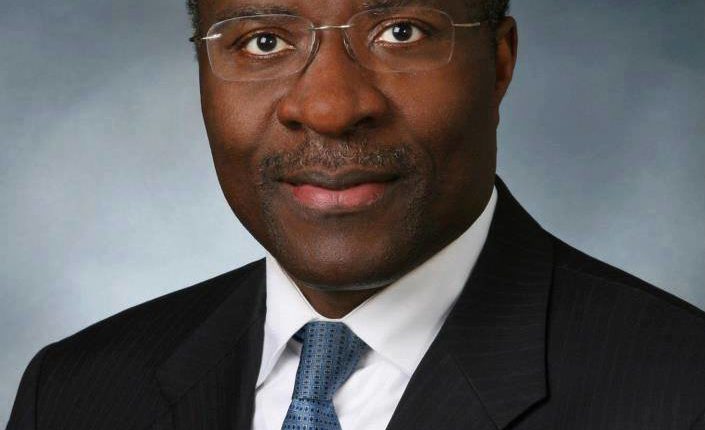
Dr Christopher Fomunyoh, Senior Associate & Regional Director for Africa at
US-based National Democratic Institute for International Affairs, (NDI), has
said President Paul Biya long missed the opportunity to be the lead provider of
solutions to Cameroon's multiple problems. The internationally acclaimed
democracy and governance expert says the 88-years-old leader now epitomizes why
the country is wobbling out of sync and teetering on the edges of a precipice.
Despite the crises facing Cameroon, Dr Fomunyoh notes however that the country
can still maintain its indivisibility, and witness a turnaround provided certain
actions are taken and urgently too. He notes though, that the window for such a
rebirth of the country is narrowing by the day. This, he maintained, is because
of the continuous bloodshed and loss of innocent lives in the North West and
South West regions coupled with prevailing injustice, impunity and shrinking
political space.
Dr Fomunyoh who regularly interacts with Heads of State and governments around
the globe says he is disappointed with the passive posture of some members of
the international community that are idly looking away while thousands continue
to be killed in the two English speaking regions of the country.
In this exclusive interview granted NewsWatch Magazine, the native of Guzang in
Batibo Sub Division of the North West region also made distinct proposals on how
a new path can be redefined for the country. He spoke to Ndi Eugene Ndi and
Maxcel Fokwen in this incisive and revealing exchange. Read on.
Five years into the Anglophone crisis and four years now that it morphed
into an armed conflict, there seems to be no way out. What is your reading
of the current situation?
The situation is getting more and more difficult, despite what some people say
officially, and this is further complicated by the deaths among civilians and
uniformed personnel almost on a daily basis. There is also the growing number of
people impacted by the conflict which a United Nations report in July listed as
4.4 million at risk of famine and 2.2 million directly impacted. Personally, I'm
yet to find a single Anglophone who has not been impacted, directly or
indirectly, by this senseless war. I also look at the degree of trauma and the
further alienation of relations between the state and populations in the
affected areas, and I worry that this conflict and its negative consequences
will be with us for even decades to come.
In terms of resolving the crisis, there are people who think the solution
will come from abroad while others think it is a purely domestic affair
which Cameroon can handle. What do you think?
I'm very distraught that some people are busy arguing over location even as their
fellow compatriots die on a daily basis. Peace crusaders pursue peace wherever
they think they may find it, whether within or outside of national borders.
Across Africa, almost every internal armed conflict has been resolved through a
path that took the warring parties or factions into foreign capitals. For
example, peace in Liberia came through peace accords negotiated and signed in
Accra, Ghana; in Sierra Leone through peace accords negotiated and signed in
Abuja, Nigeria; in Côte d'Ivoire through peace accords negotiated and
signed in Linas-Marcoussis in France and Ouagadougou, Burkina Faso; in the
Democratic Republic of Congo through peace accords negotiated in Sun City, South
Africa; in Burundi through accords negotiated and signed in Arusha, Tanzania; in
Sudan, through the Comprehensive Peace Accord negotiated and signed in Nairobi,
Kenya, etc. How can anyone still be so insular in their thinking about resolving
this conflict when there's so much pain and destruction daily, not to mention
the level of mistrust and even deep hatred among the parties after thousands of
lives have been lost, over two million people impacted, including over a million
Internally Displaced Persons and refugees? Genuine leaders that care about the
lives and wellbeing of their fellow citizens will sue for peace and justice and
an end to the conflict immediately, even if it means flying to another planet to
obtain that.
Many Anglophones look up to people like you in the diaspora to assist the
government in looking for the solution, yet there are others who think some
members of the diaspora are rather helping fuel the conflict. What is your
view on this?
As easy as it may be to always blame someone else, I do not think that the blame
game will advance the cause of bringing an end to this senseless war. You may
remember that when Anglophone lawyers, teachers and students were being
mistreated in 2016, and other civilians killed in September and October 2017
simply for peacefully demonstrating to express their grievances, the Diaspora
had no role in the matter. Many people in the Diaspora believe that were it not
for their efforts to sensitize world opinion on this crisis and the legitimate
grievances of Anglophones, there would have been more massacres, more atrocities
and gross human rights violations in the North West and South West regions. If
we are sincere about putting an end to this armed conflict, we must put aside
the blame game, create an environment for real inclusive dialogue and
negotiations that can get to the root causes of the conflict. I know for a fact
that, under the right circumstances, many in the Diaspora are ready to
contribute positively to such efforts.
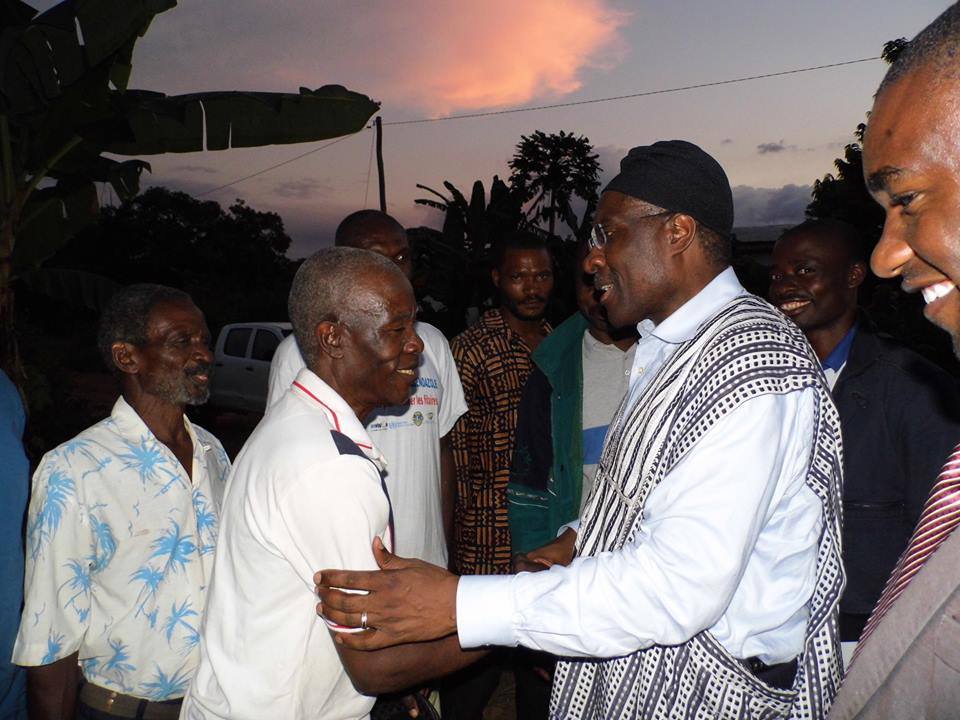 Image naturelle du village non loin de La Sanaga dans La Lekie avec le
ciel en arri�re plan qui montre la tomb�e de la nuit.
Image naturelle du village non loin de La Sanaga dans La Lekie avec le
ciel en arri�re plan qui montre la tomb�e de la nuit.
Cameroon has a wealth of human resources in almost all domains excelling
all over the world like you, but the crisis in the North West and South West
regions and other challenges facing Cameroon seem to have beaten your
intelligence?
I wouldn't say so. There are bright minds within and outside the country with the
intellectual heft and wherewithal to address the ongoing conflict and various
multiple crises that have befallen the country, and it is imperative for the
government to create an enabling environment in which all of this expertise and
experience can be leveraged to end the crisis by addressing the root causes and
laying the foundation for reparations and reconciliation.
Some people think the international community is actually slow in acting
because it has not been assured of its interest in Cameroon despite the
thousands of lives lost and material damage recorded. What is your view
about the role of the international community in this crisis?
The international community is not homogeneous, and obviously, some international
partners have been more vocal about this conflict than others; overall though, I
am disappointed with the passivity of some members of the international
community. I never imagined that friends of Cameroon would standby idly while
thousands are killed and so much pain and destruction is inflicted on other
human beings and regions of a country they care about. It breaks my heart to
have the Norwegian Refugee Council rate this conflict for multiple years in a
row as the most underreported or neglected in the world.
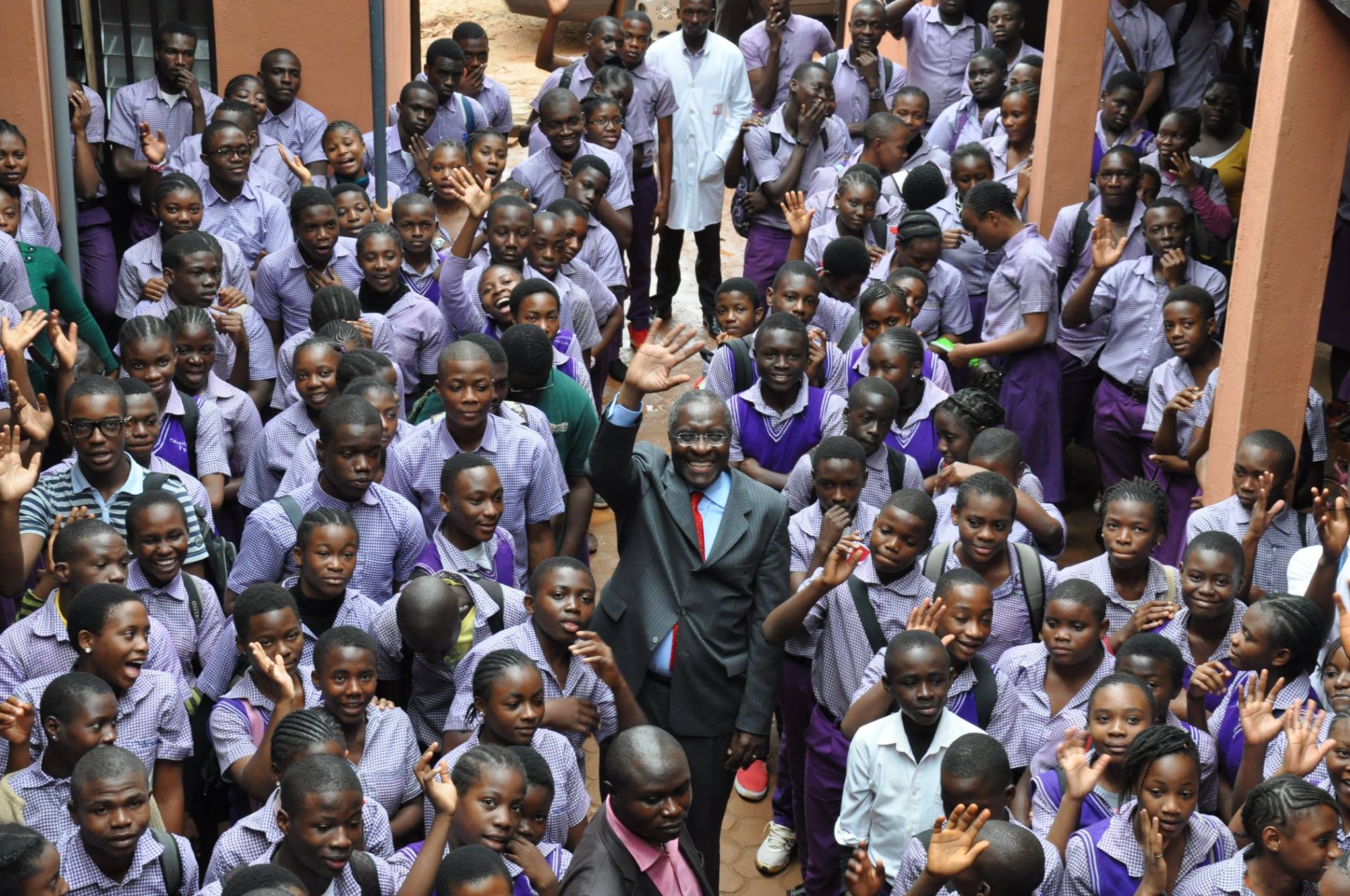
You have been vocal on the ongoing crisis in the North West and South
regions. Beyond the criticisms, if President Biya were to invite you to
advise him or his government on the way out, what would you
propose?
You may remember that since the crisis began in 2016, I have consistently
advocated for a non-violent approach to its resolution. For example, in December
2018, I put out a 10 points statement on how the country could get out of the
crisis. Since that time, the situation has deteriorated even further, but the
points I put forward are still valid. In a democracy, leaders must listen to the
people and be humble enough to admit they have erred in judgement when their
decisions or policies are having a disastrous effect on citizens. Today, the
crisis has morphed into a full blown armed conflict in which civilians are
dying, soldiers are dying, so many atrocities are being committed admist much
destruction of property and livelihoods. Under such circumstances, rational
leaders must pause and ask themselves if the strategies and policies being
implemented are the right ones for the problems raised. My first recommendation
therefore would be to immediately declare a ceasefire to stop the fighting and
further bleeding, release all political prisoners and those awaiting trial now
in the thousands scattered across various prisons and detention centers; and
open up negotiations on the root causes with assistance from third-party
facilitation or mediation. And I emphasize this last point because the mistrust,
anger, pain, and suffering is now so deep that I doubt all the parties would
easily get into one room to make peace without third party assistance.
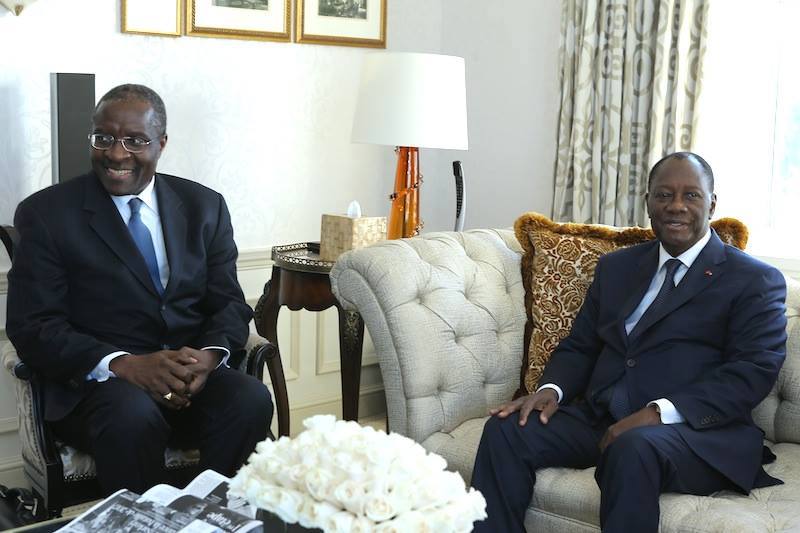 Dr Christopher Fomunyoh et le président Alassan Ouattara de
Côte d'Ivoire
Dr Christopher Fomunyoh et le président Alassan Ouattara de
Côte d'Ivoire
President Paul Biya and Nigerian president Muhammadu Buhari recently made
a commitment to fight the Ambazonia and Biafra secessionist movements in
Cameroon and Nigeria. What is your appreciation of this renewed
commitment?
That was to be expected. Any two neighboring governments would act in a similar
manner if they perceived a common threat to their national interests. That said,
I still think that Nigeria was in a unique position going back to 2017, to bring
all sides to work towards a negotiated settlement. Nigeria has enough leverage
on all sides and should use its convening power to nudge both sides towards a
negotiated solution.
There are reports of Nigeria making huge investments in the Bakassi area
and the Niger Delta fighters threatening to relaunch attacks. Do you believe
that Biya and Buhari have the wherewithal to jointly handle such
threats?
We have to keep in mind that presidential elections will be held in Nigeria early
2023, and in Cameroon by 2025, so these two leaders may no longer be in charge
for much longer. I therefore hope that policy makers in both Cameroon and
Nigeria are looking medium to long term for what is beneficial to the
populations of the two countries as opposed to short term transactions shaped
solely by the immedencies of the moment.
After the Major National Dialogue that was held in Yaounde, some
institutions have been put in place as a way to pacify the situation but
bloodshed has continued in the North West and South West regions. Do you see
a possibility of another dialogue or negotiation?
I expect those who put in place the new institutions to arrive at the same
conclusion as embodied in your question. If the bloodletting has continued
despite the 2019 Major National Dialogue, that warrants trying a different and
all-inclusive approach to get everybody around the negotiations table. This
conflict and the deep-rooted legitimate grievances of Anglophones can only be
resolved through dialogue and negotiations - and this is not just about slogans,
but actual deeds and actions that show remorse for the wrongs of the past and a
recognition that the people want justice and peace, and their dignity restored.
When you meet other African leaders, what are some of the embarrassing
things they tell you about the crisis and what do you tell them about the
situation in Cameroon?
Many African leaders are quite sympathetic with efforts to stop the killings and
end the conflict and want to be helpful, but they don?t know how to reach their
counterparts in Yaounde who are so elusive and in denial about the deaths and
very negative consequences of this crisis. Others blank out on the president's
name because they scarcely see him mingling with his peers across the continent,
and others just wonder why Cameroonians are killing themselves over grievances
that could otherwise be peacefully resolved through dialogue and negotiations.
It is extremely painful to have some of them wonder aloud why I can't come in
and fix the situation when I have in other circumstances supported peacebuilding
and democracy strengthening efforts in their own countries. Oftentimes, they are
extremely gracious with their time and allow me to walk them through the
chronology of events that precipitated the crisis, highlighting the impediments
to, and opportunities for a peaceful, negotiated resolution. I know that under
the right circumstances, many African leaders would be glad to help in mediation
efforts if invited to do so.
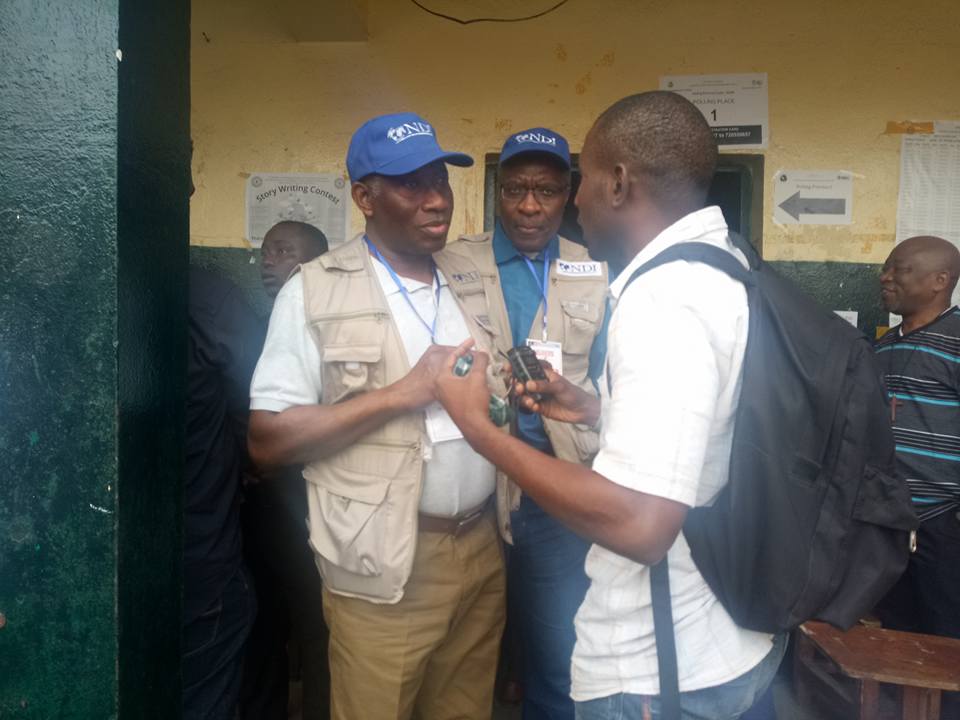 Dr Christopher Fomunyoh et l'Ex- président du Nigeria Goodluck
Jonathan
Dr Christopher Fomunyoh et l'Ex- président du Nigeria Goodluck
Jonathan
The government says there are institutions in place through which
Cameroonians can channel their problems than carrying out protests in the
diaspora. Are these protests of help or a disservice to the nation?
If our institutions functioned as expected in every democratic society, why would
the National Assembly go for five years without a single hearing or debate on a
major existential crisis in which thousands of citizens have been killed and
millions either are internally displaced or refugees in neighboring countries?
How can one explain that the National Assembly hasn't taken up electoral reform,
despite the complaints over the years about flawed elections that have now
crystallized political discontent in the land? With regards to protests by the
Diaspora, of course, they live in countries where protests are legal and even
encouraged as a means for citizens to make their voices heard. As long as such
protests are peaceful and abide by the laws and regulations of the host
countries, I do not see why they should not be allowed to take their course.
Moreover, these protests sensitize and draw international attention to the
plight of the people back home, and the ills that plague our country.
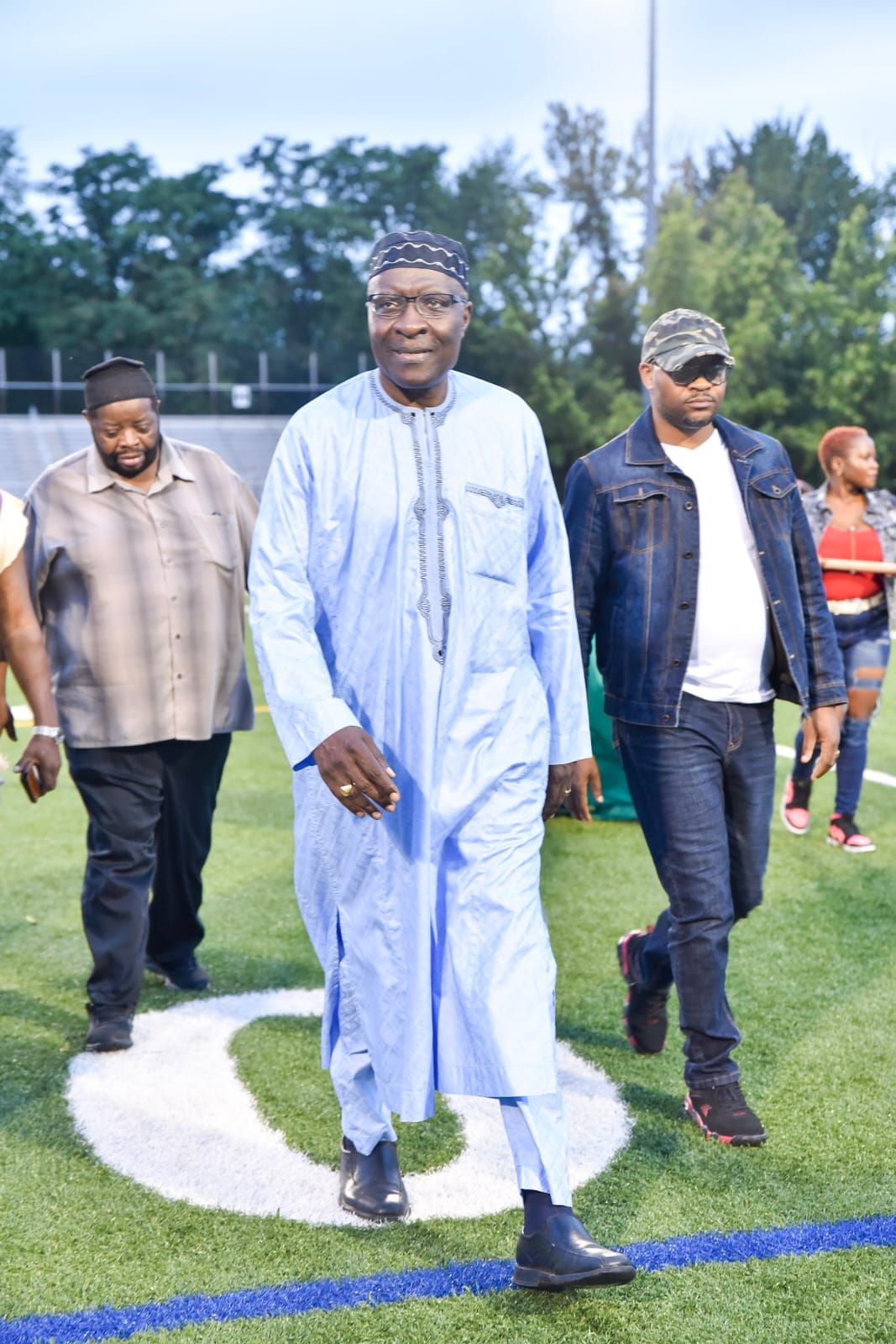 Dr Fomunyoh preparing to take the kick off at soccer tournament for
Cameroonian Diaspora in Maryland USA
Dr Fomunyoh preparing to take the kick off at soccer tournament for
Cameroonian Diaspora in Maryland USA
Back to the Anglophone crisis, in April this year (2021), you spent
Easter with Anglophone crisis refugees in Nigeria. What are some of the
untold stories you lived first-hand during this historic visit?
I had two principal objectives for the visit to our refugees in various states
and cities of Nigeria: first to provide them some relief in these times of grave
peril, further aggravated by the COVID 19 pandemic; and secondly, to see for
myself their state of being and livelihood. I'm grateful that the visit also
drew national and international attention to their plight. What I saw in the
refugee camps was heartbreaking: stories of families separated from their loved
ones as they fled the conflict; women not sure where their children are today;
cases of sickness, hunger, and desperation; so many children born in refugee
camps and unsure of their future; and even cases of violence and desolation. It
is traumatizing for me, and so you can only imagine what the refugees themselves
are going through. It is truly heartbreaking.
How do you feel seeing that other organisations have queued in to help
since you left Nigeria?
I am pleased that the visit brought more awareness to the precarious situation of
the refugees and their high numbers, both nationally and internationally; and
I'm extremely grateful to the staff of the Fomunyoh Foundation (TFF) that
traveled to Nigeria for the visit as well as our partner organization, the
Community Refugees Relief Initiative (CRRI) that worked so hard to make the
visit a success. In over 10 days, we visited 12 camps or settlements in Benue
and Cross River States, and in Abuja, but that's only the tip of the iceberg as
the number of refugees in Nigeria spans many other states such as Taraba and
Akwa Ibom, and exceeds 70,000. I also want to recognize and appreciate the many
other individuals and organizations that have been providing relief to these
refugees since 2017, many of whom continue to do even till this day. The
national media - print and radio-television - in both English and French have
done a remarkable job in their coverage of the visit and following up with life
in the refugee camps, and I thank them profusely too. May everyone be blessed
abundantly as they look out for the most vulnerable among us, especially the
innocent victims of this senseless war.
You are not new to philanthropy and helping the underprivileged, but some
say in Fomunyoh the philanthropist is a Fomunyoh the politician who is
investing to reap political capital in the coming years. Do you have such
ambitions?
Every philanthropist or humanitarian would tell you it comes from the heart; from
a desire to reach out and lift up someone in need. Talk is cheap, especially in
a context where some people take delight in pulling others down, but one cannot
allow such utterances to distract from one's purpose in life or love for people
and vision for humanity. By the way, perhaps if today's politicians started off
as philanthropists, they would be more humane in their attitude towards fellow
citizens and would govern better. The country is in a deep mess today because
many of our leaders are wicked and selfish, and indifferent or insensitive to
the hardship and suffering of the population.
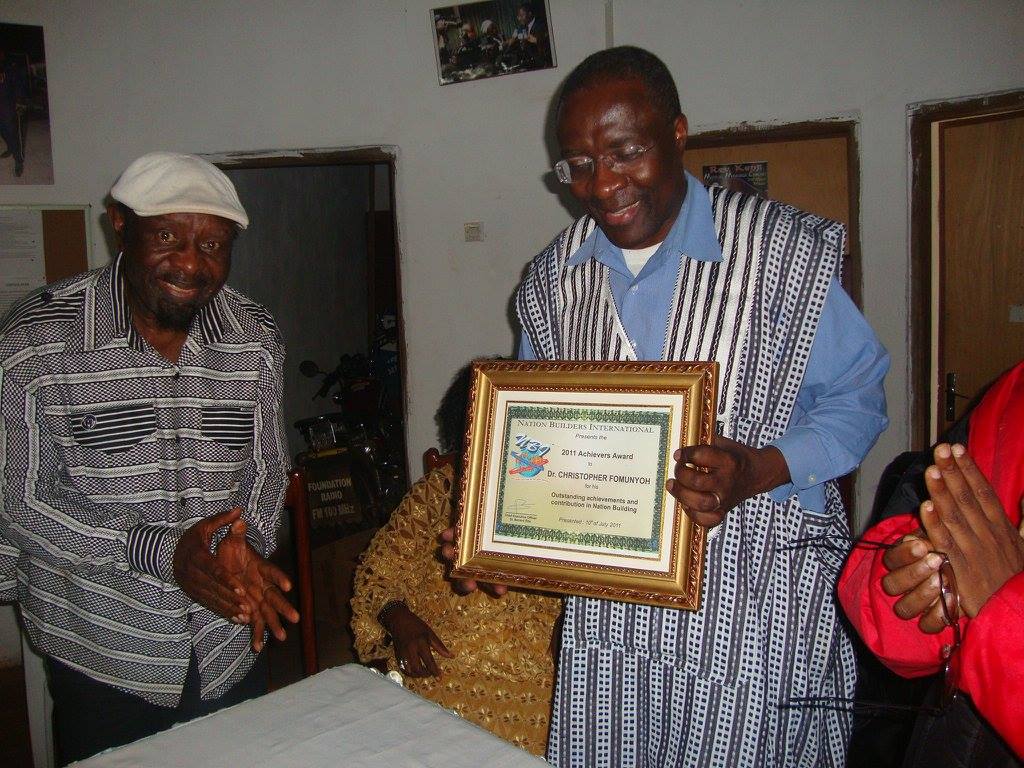
When you created The Fomunyoh Foundation in 1999, did you imagine that
one day Cameroon will find itself in this mess?
Not at all. The inspiration came from within, and at the time it even looked like
a strange concept to many. Now I worry that even after the guns have been
silenced in the current Anglophone conflict, it will take decades and a lot of
hard work by philanthropic organizations to clean up the humanitarian
catastrophe and rebuild broken lives and livihoods.
As a celebrated governance expert who has proven his worth in several
countries across the globe, what do you think can be done to put your
country, Cameroon, on the right path?
So much will have to be done to put this country back on track. The foundations
of the republic are broken and we'll need a new social contract between citizens
and those that govern. First, we'll need a complete overhaul of the governance
architecture of this country and a total renewal of political leadership. We
cannot make progress in this 21 st century with leaders who have been in power
since the 1960s. How can you explain that the top leadership of the country is
in the hands of people in their 80s, whereas the average age in Cameroon is 18?
Would you hire a 90 years old teacher, driver or cook? Why should we be saddled
with people of that elk at the helm of the state whereas their agemates in other
lands long retired to spend time with their grand and great grandchildren? What
have we done to deserve this?
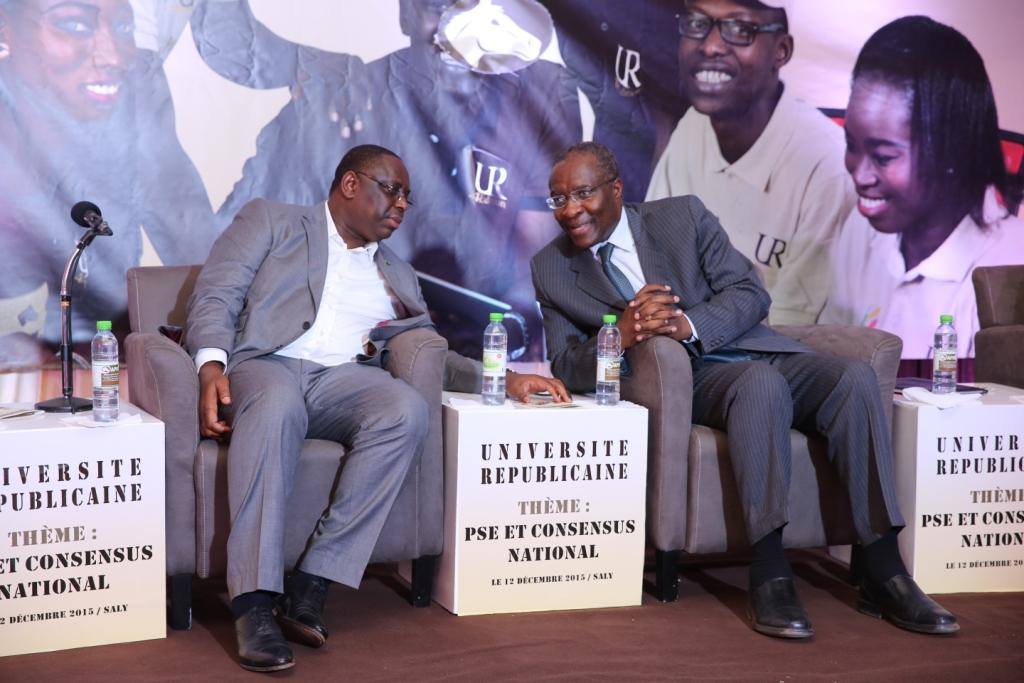 Dr Fomunyoh and president Macky Sall of Senegal
Will you advise Biya to seek re-election in 2025?
President Paul Biya has probably made up his mind as to what he will do in 2025,
and how he would like to be remembered by historians and posterity, but it is
obvious to me that none of the major crises that Cameroon faces today will be
fully resolved by Biya. He long missed the opportunity to be the lead provider
of solutions to Cameroon's problems; if anything, he now epitomizes why the
country is wobbling out of sync and teetering on the edges of a precipice.
As an individual with all the exposure you have had across the world,
what is your wish for Cameroon?
My wish is that a new Cameroon emerges with an environment in which all its sons
and daughters can contribute positively to its development and be appreciated
and valued for what they bring and who they are. There's still a fighting chance
for that to happen, although the window is narrowing by the day as more innocent
lives are lost in the North West and South West regions, as injustice and
impunity prevail, political space shrinks, and civil liberties are suppressed.
Thank you so much for your availability Dr.
Thank you.
Ndi Eugene Ndi and Maxcel Fokwen
panafricanvisions.com
Dr. Christopher Fomunyoh
Président, The Fomunyoh Foundation
christopher.fomunyoh@tffcam.org
www.tffcam.org
|